Celo (CELO)
What is Celo?
Celo (CELO) is an Ethereum Layer 2 blockchain built with the OP Stack. It began as a mobile-first Layer 1 network focused on global financial inclusion, low-cost payments, and stable assets such as cUSD. Celo completed its migration to an Ethereum Layer 2 in March 2025, keeping its mission and transaction history while gaining closer compatibility with Ethereum infrastructure.
Here are 5 key points about the Celo Chain:
-
Celo is an EVM-compatible network, so developers can deploy Solidity smart contracts and use familiar Ethereum tools.
-
Celo uses CELO as the native network token, while also supporting fee abstraction so users can pay gas with approved assets such as USDC, USDT, and Celo stablecoins.
-
Celo is designed for fast, low-cost transactions, with one-second block times configured for the current Celo Layer 2 network.
-
The network is built around real-world payments, remittances, DeFi, and mobile-first access to digital financial tools.
-
Celo uses the OP Stack to align more closely with Ethereum while preserving Celo-specific features such as stable asset support and fee currency flexibility.
Learn more about Celo by reading the Gem Wallet Learn article:
What Is The Celo Blockchain?
Celo on Gem Wallet
Gem Wallet has the following features enabled for Celo:
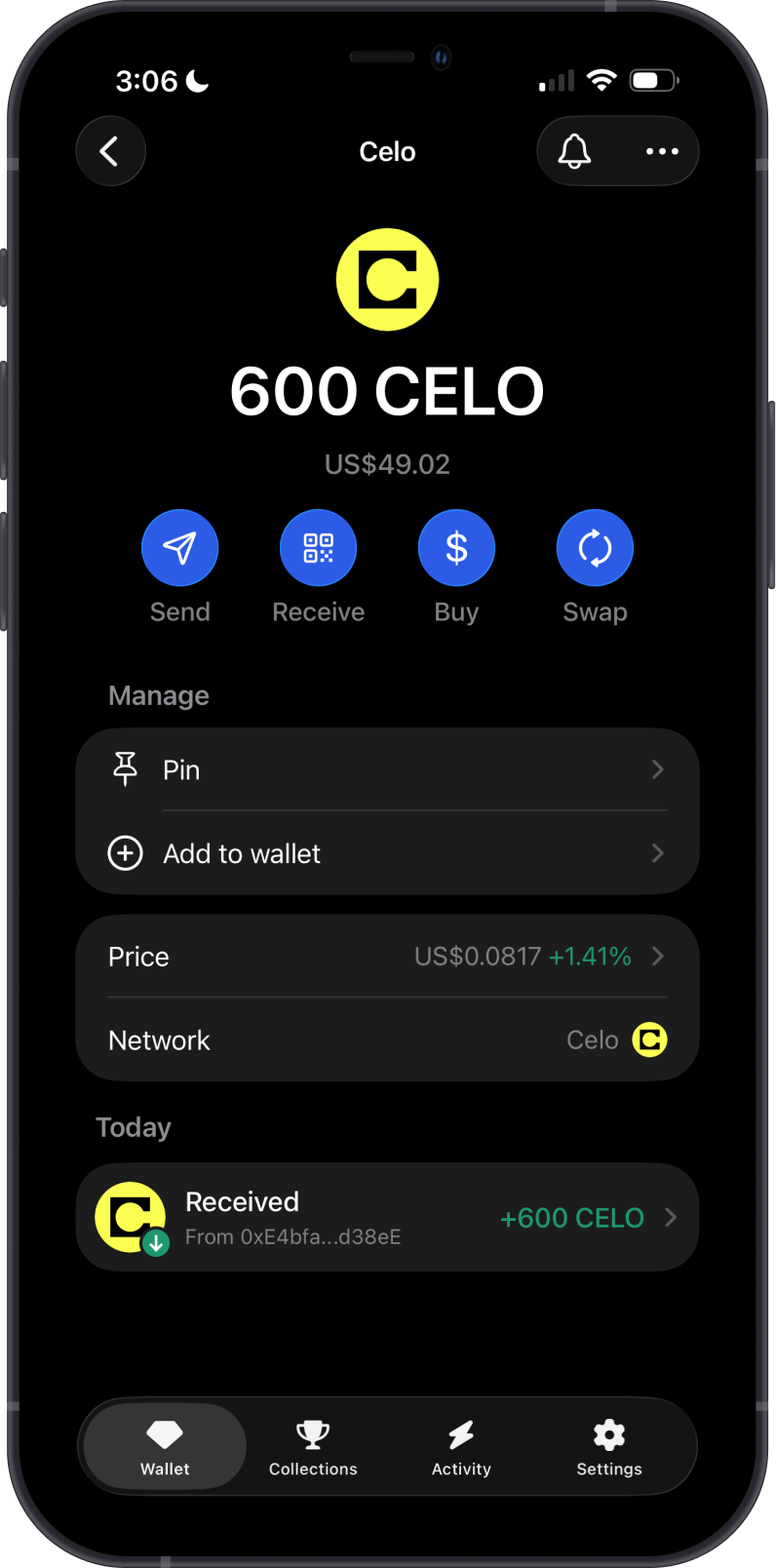
- Store Celo (CELO) securely.
- Send and Receive Celo tokens natively.
- Swap Celo tokens directly in the app.
- Cross-chain swap supported assets into Celo (CELO).
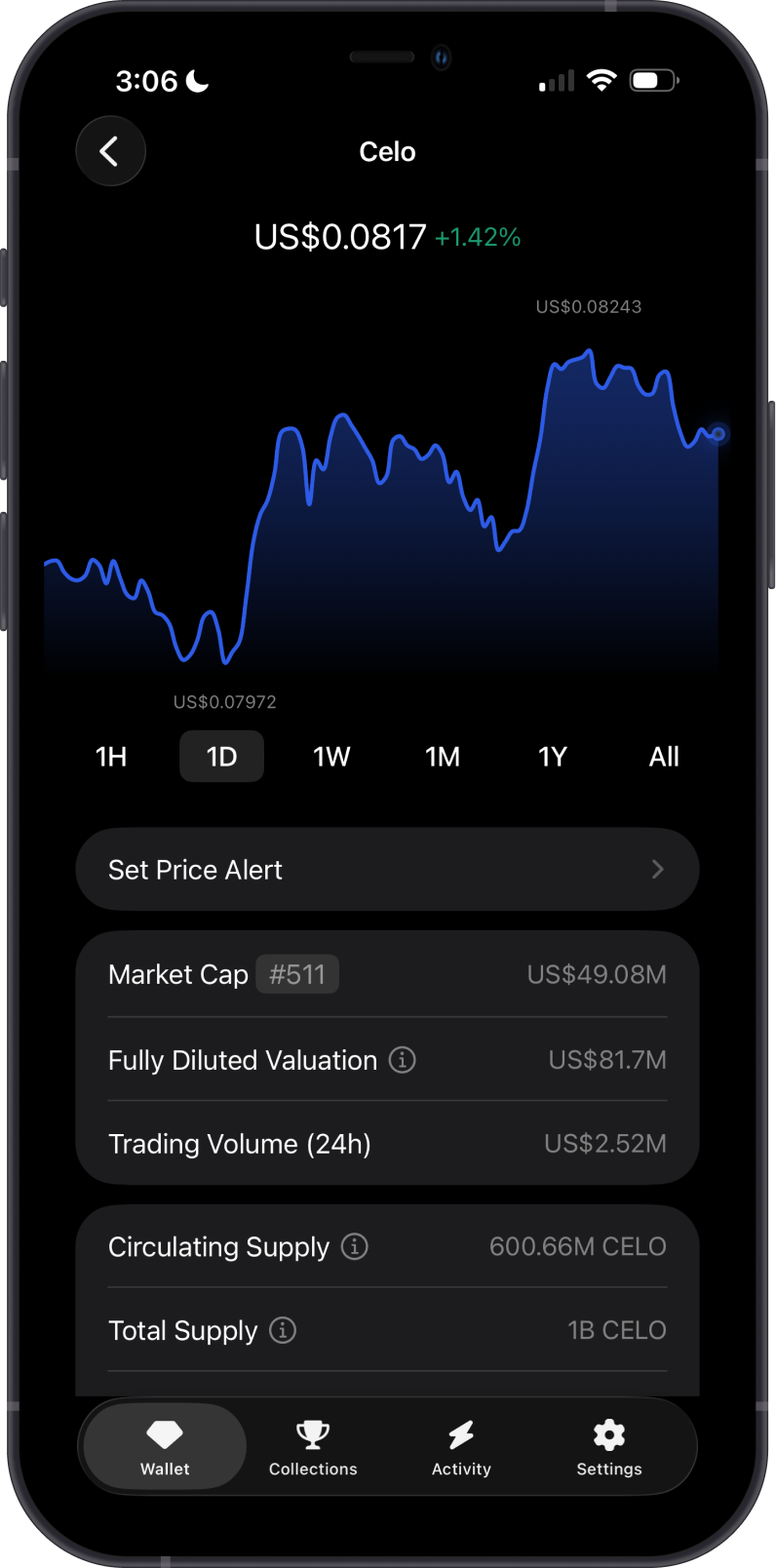
CELO is the native utility token of the Celo network and plays an important role in its ecosystem. The token is used for:
-
Transaction fees: CELO can be used to pay gas fees for transfers and smart contract interactions.
-
Governance: CELO holders can participate in network governance and vote on protocol changes.
-
Ecosystem utility: CELO is used across Celo applications, DeFi protocols, and payment-focused services.
-
Network alignment: CELO supports Celo's economic model as the network continues operating as an Ethereum Layer 2.
How to Get Celo (CELO)?
Here are some ways to acquire some Celo (CELO):
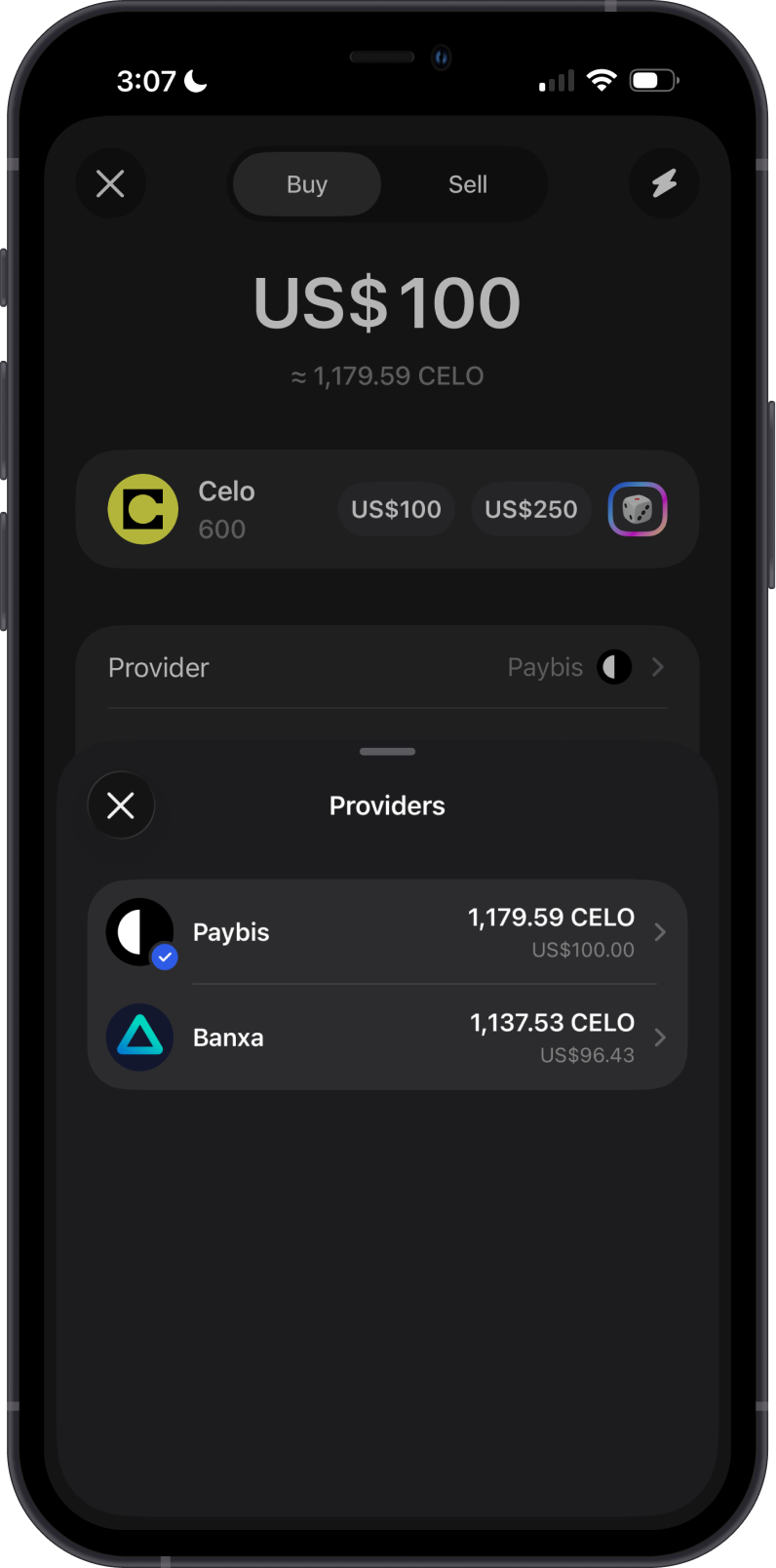
- Buy Celo (CELO) directly on the Gem Wallet app.
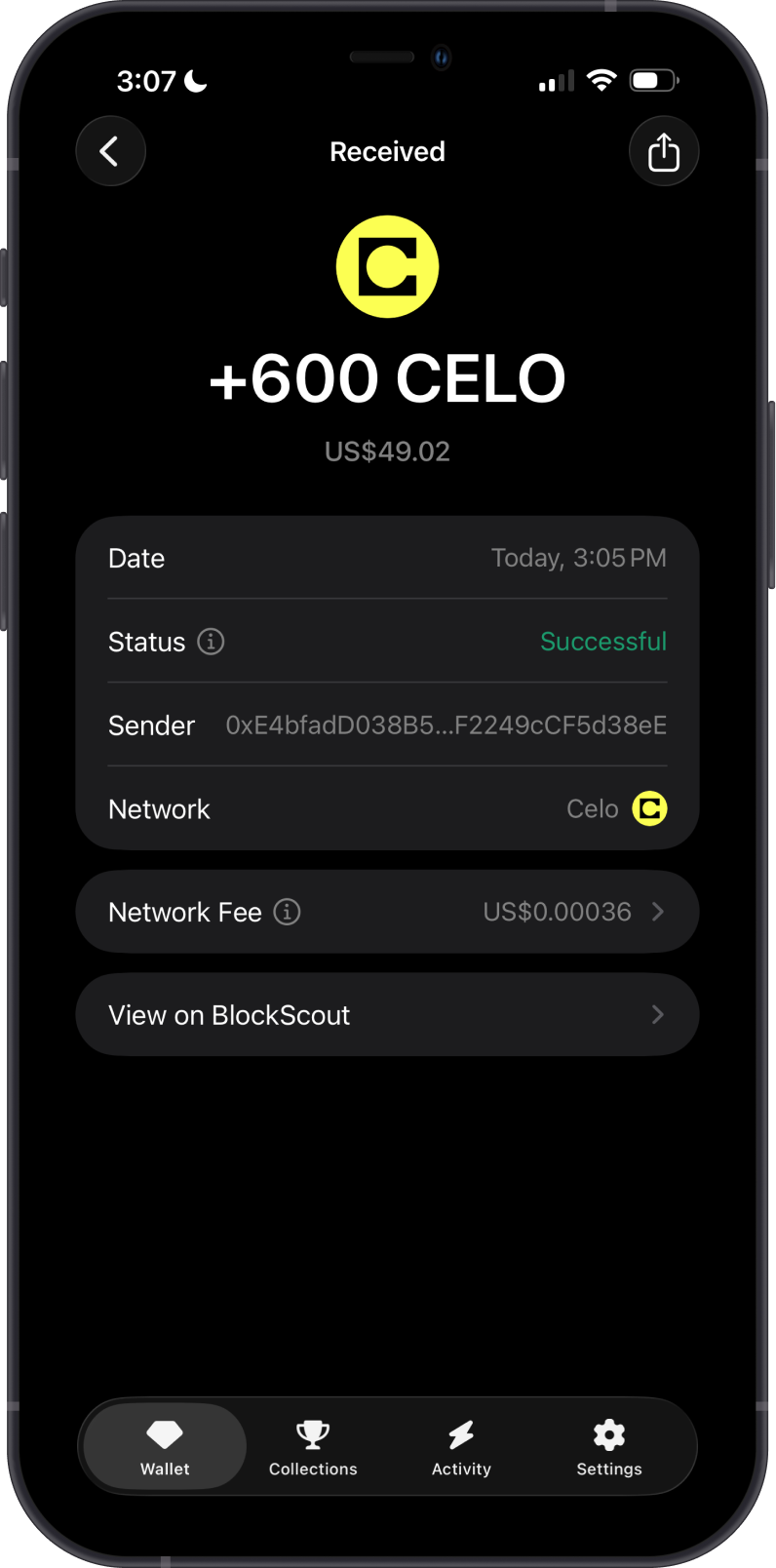
- Receive Celo (CELO) with the unique Celo address on the Gem Wallet app.
- Swap supported assets into Celo (CELO) using Gem Wallet.
What are ERC20 tokens on Celo?
- ERC20 tokens on Celo are tokens that follow the ERC20 standard and operate within the Celo ecosystem.
- These tokens retain the same familiar properties as ERC20 tokens on Ethereum, thanks to Celo's Ethereum Virtual Machine (EVM) compatibility.
- Celo also supports stable assets and fee abstraction, making it especially useful for payment-focused tokens and stablecoin transactions.
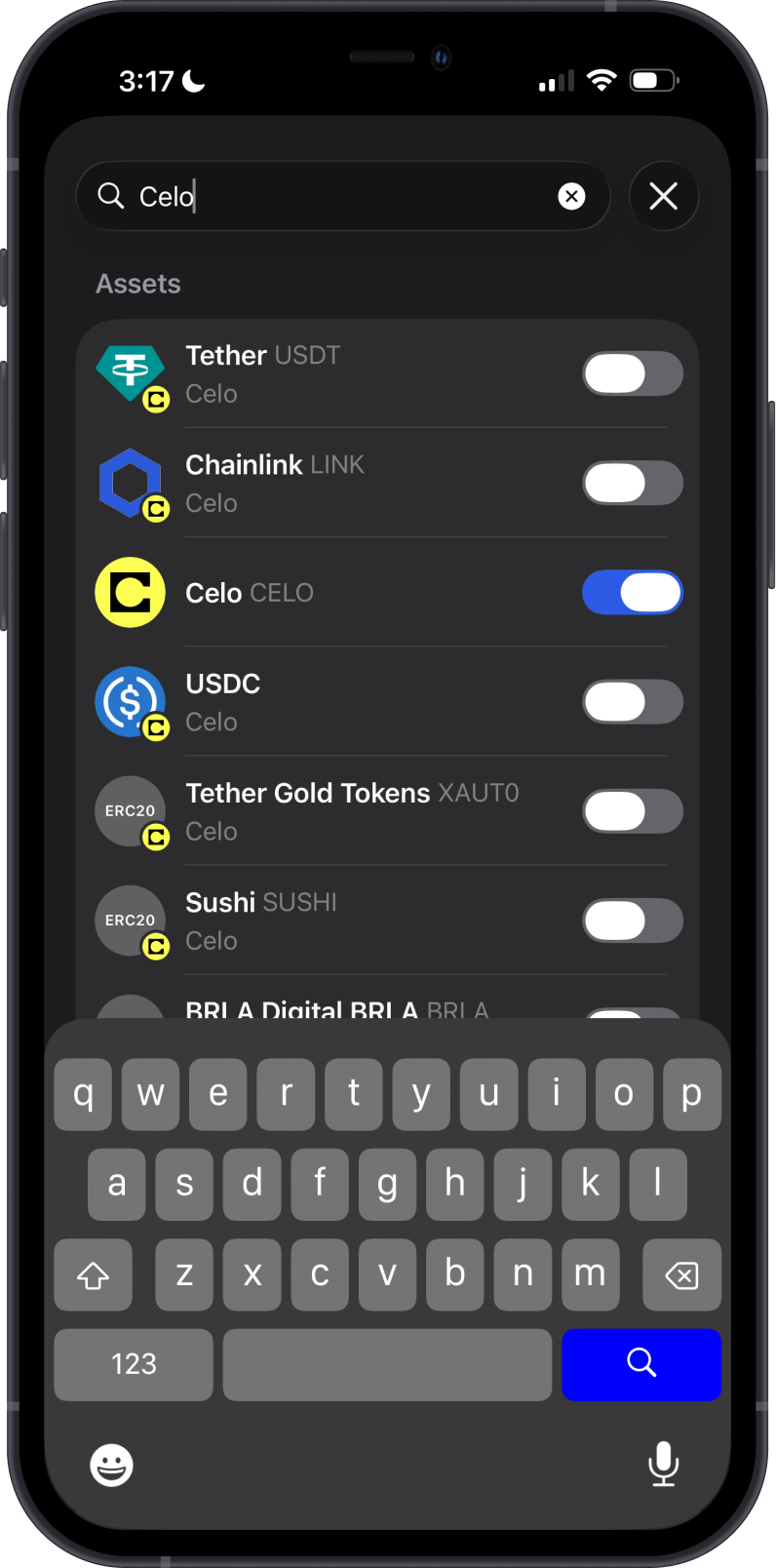
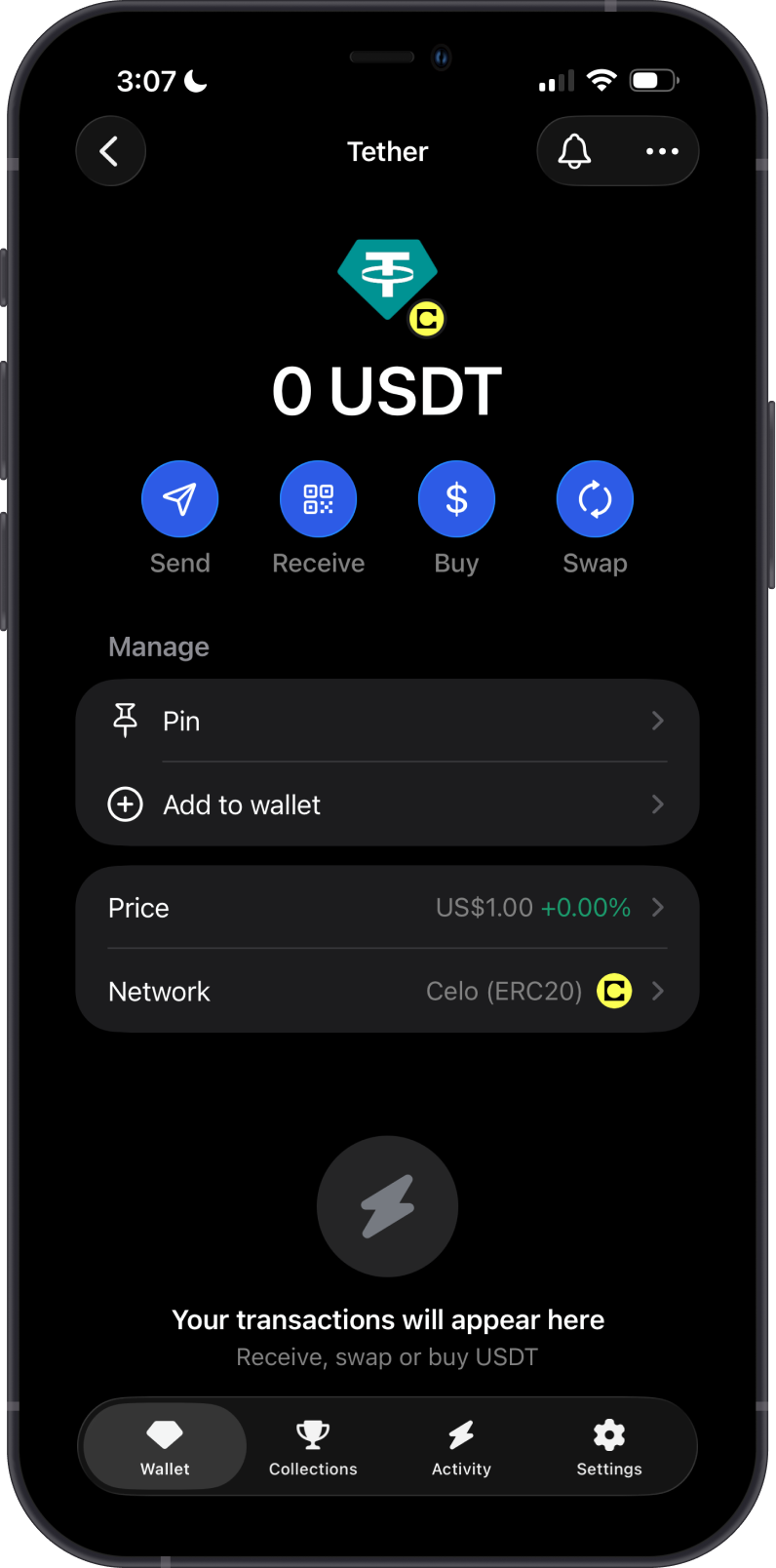
- Search for CELO, then turn on the toggle to enable your Celo wallet.
- Send only Celo network assets to your Celo address.
Transaction Fees on Celo
The fees on Celo are summarized as follows:
-
Celo uses an EIP-1559-style gas pricing model that adjusts fees based on network demand.
-
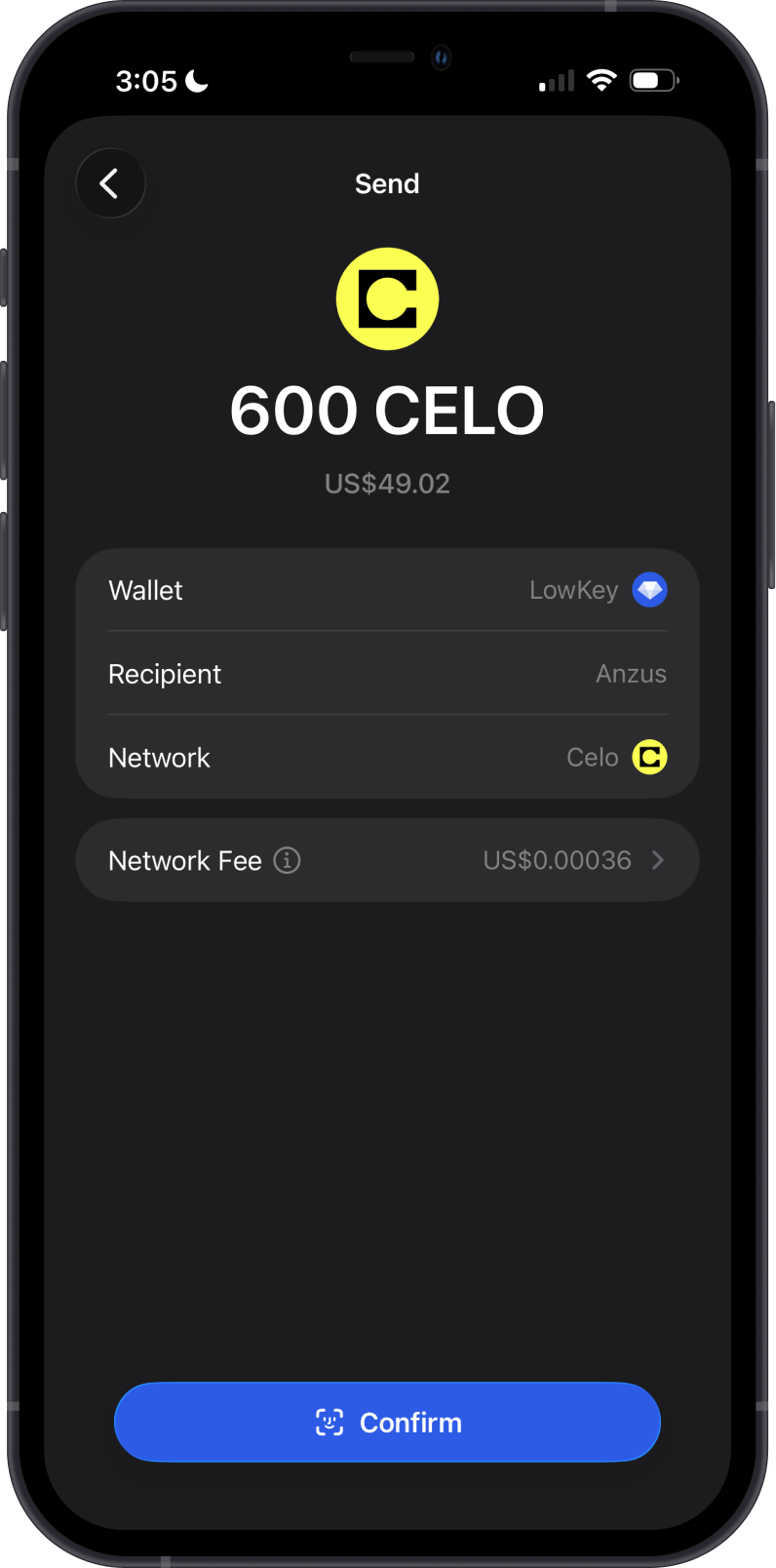
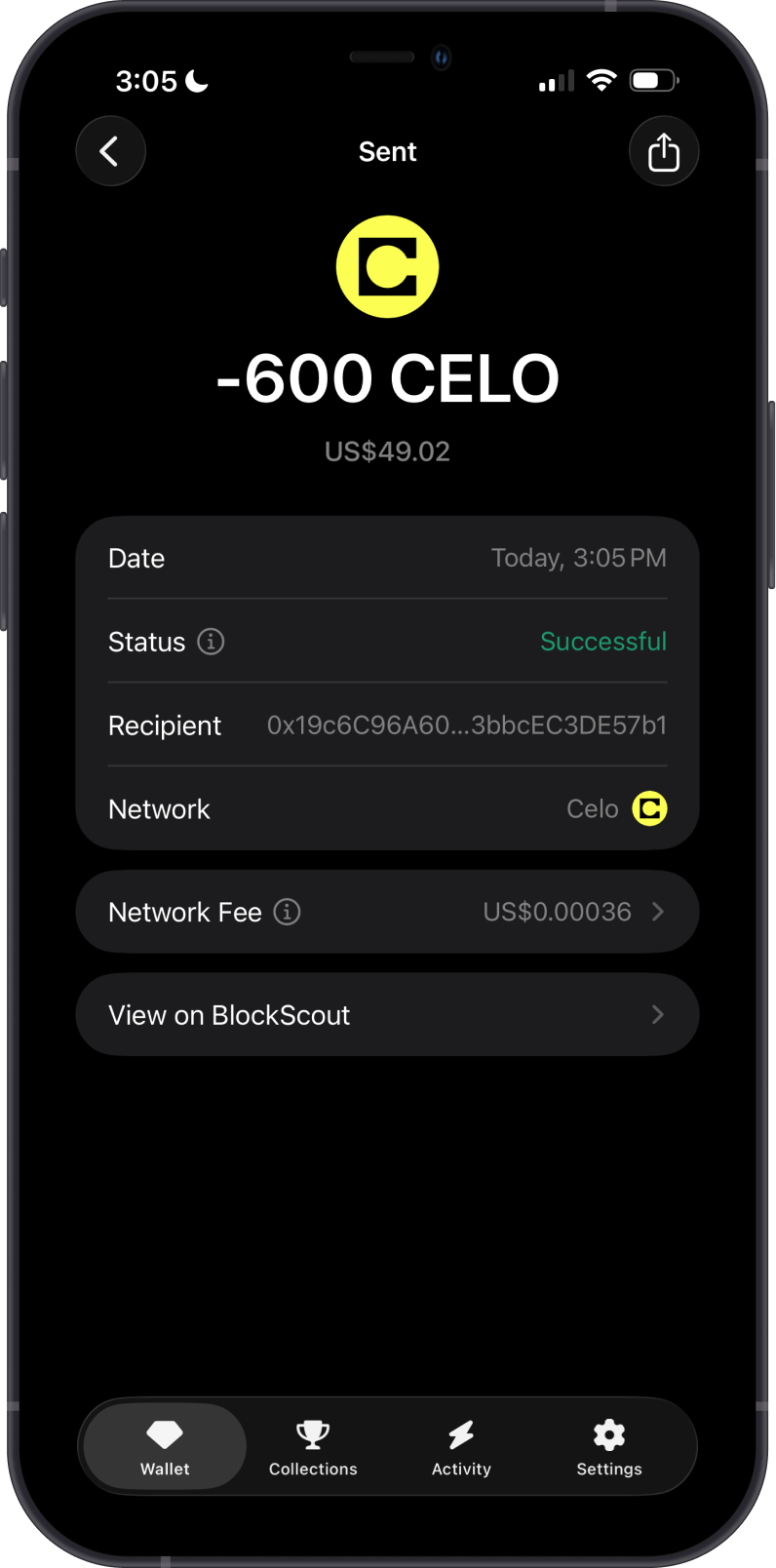
Celo supports fee abstraction, allowing approved ERC20 tokens to be used for gas payments in addition to CELO.
-
Celo is designed for fast, low-cost transactions, making it suitable for payments, remittances, and frequent wallet activity.
-
Celo (CELO) is the native token used for gas fees on Celo Network.
Can I Swap Celo and ERC20 tokens on Gem Wallet?
Yes. Gem Wallet supports swaps for Celo network assets:
-
Swap Celo (CELO) for supported Celo ERC20 tokens, and swap supported Celo ERC20 tokens back to CELO.
-
Use Cross-Chain Swap to swap supported assets from other blockchains into Celo (CELO).
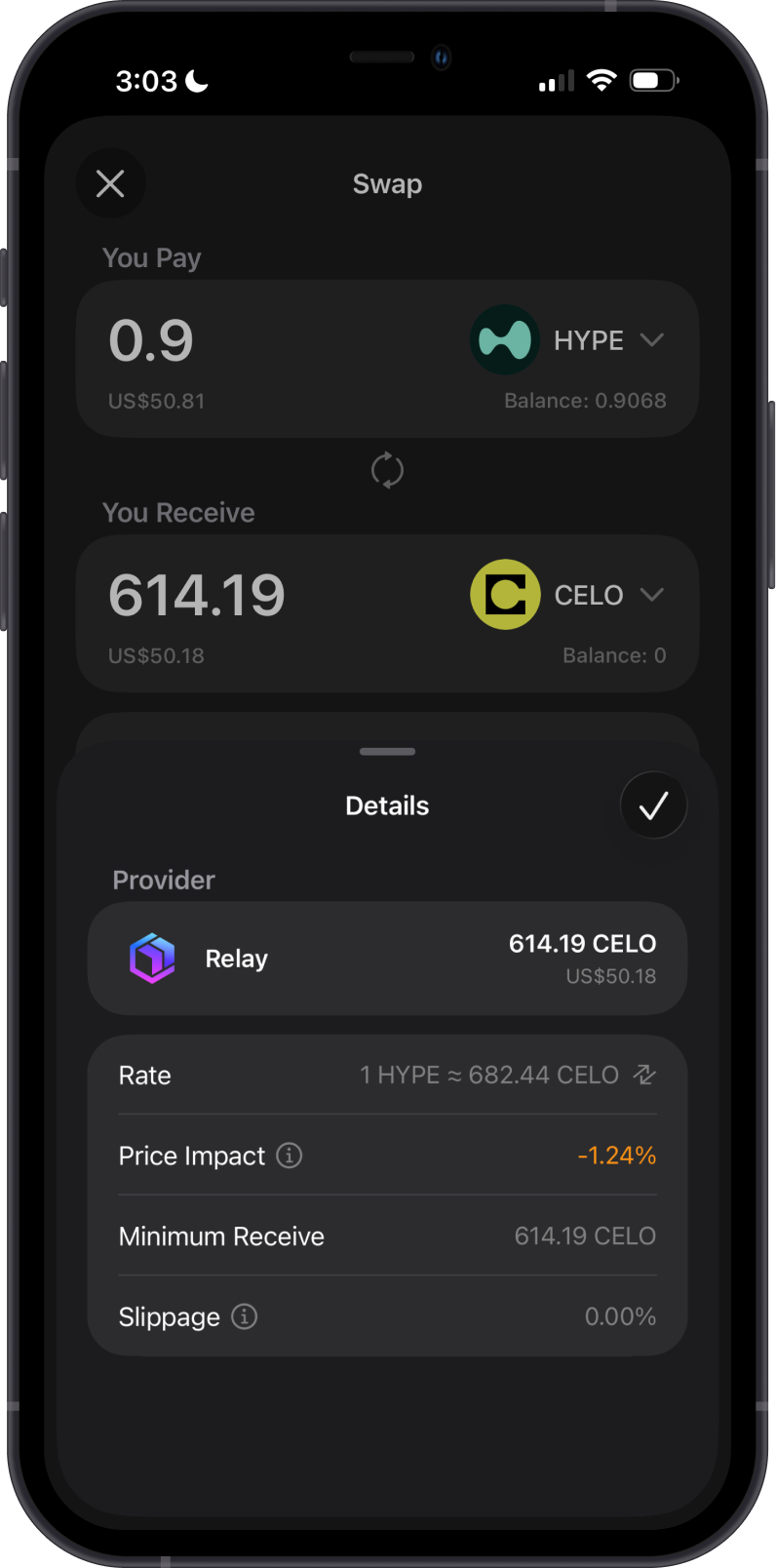
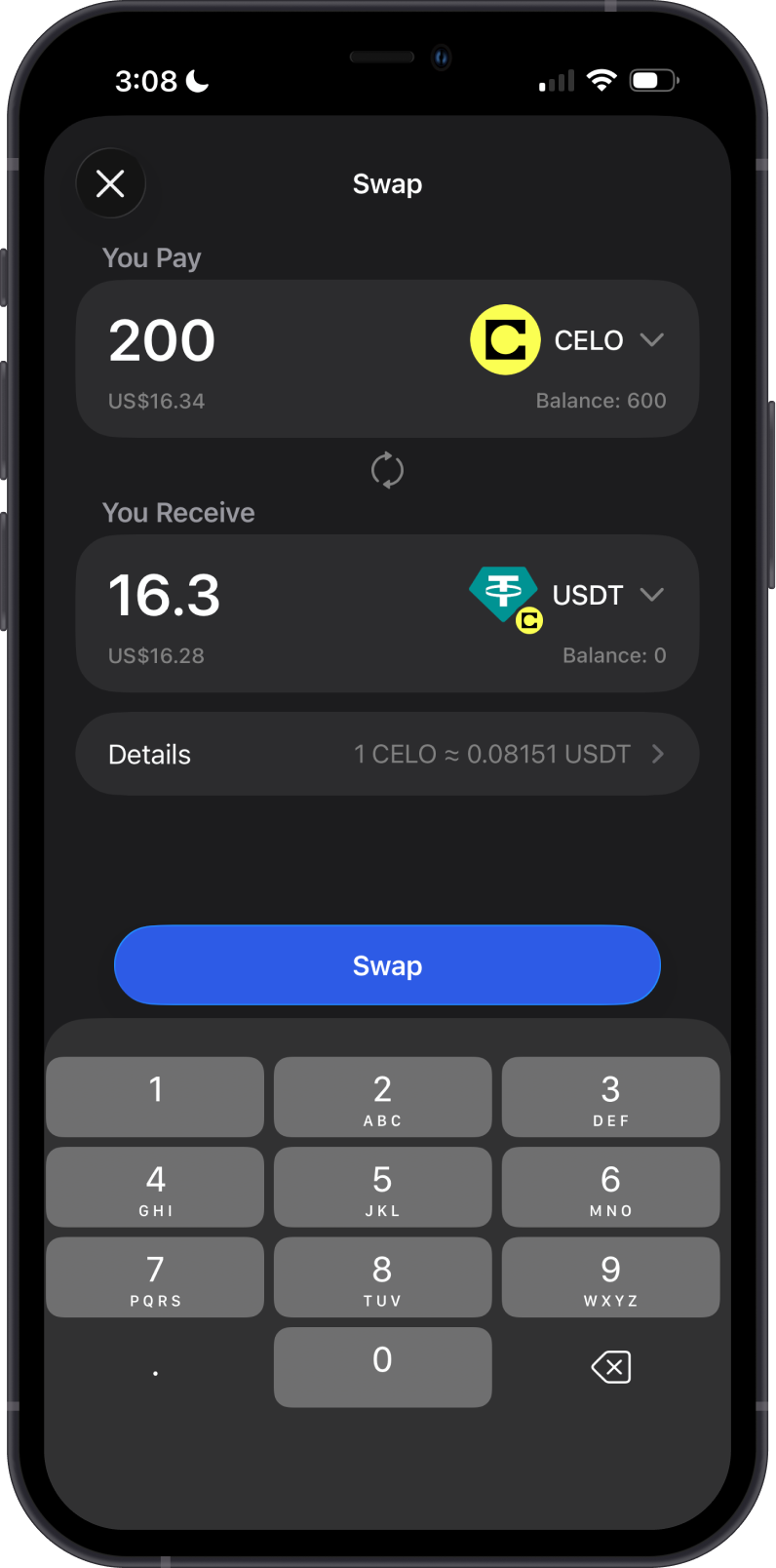
You need enough CELO to pay network fees when swapping on the Celo network.
How to Check Celo (CELO) Balance?
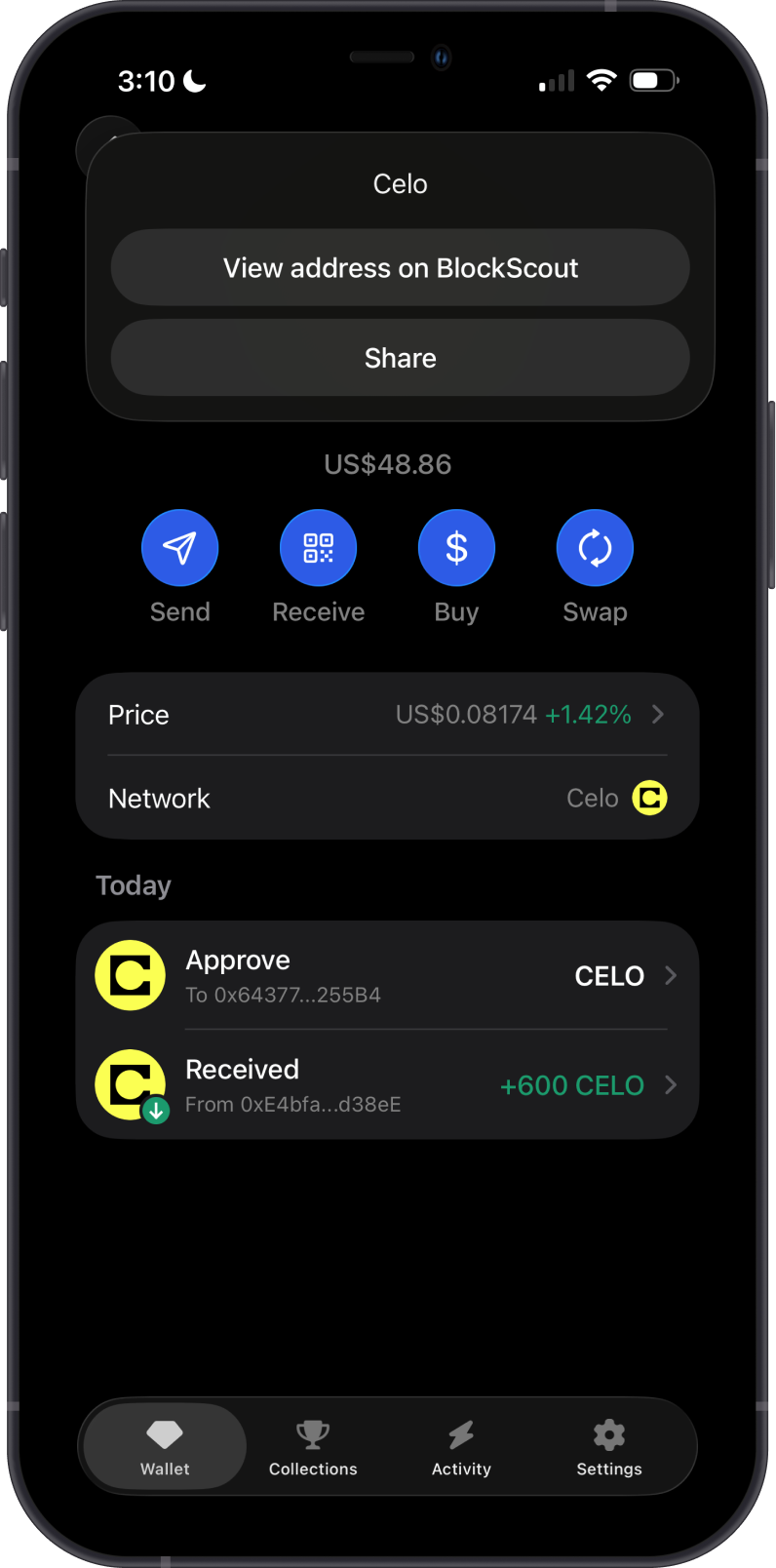
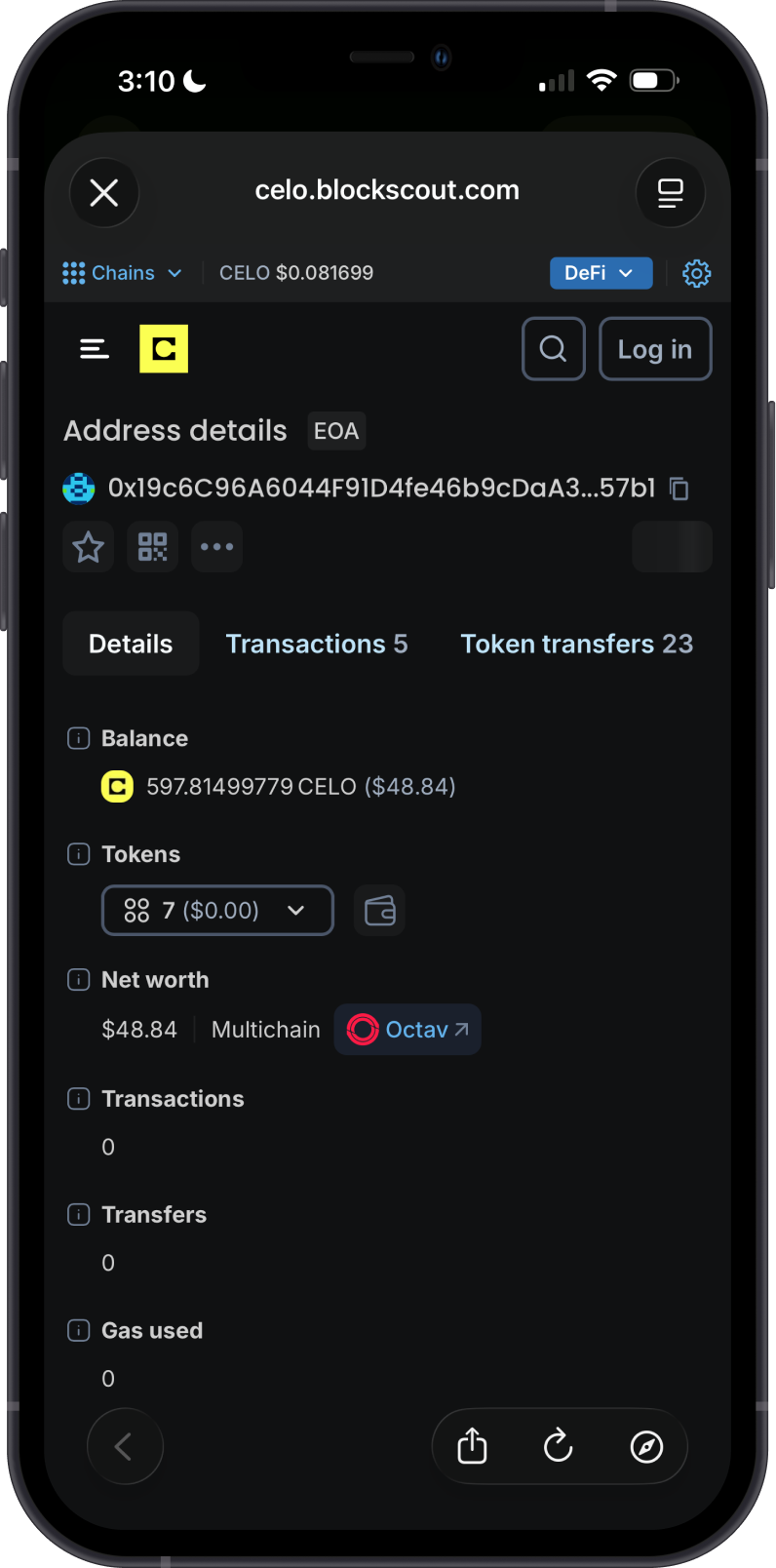
Gem Wallet app connects to the Celo Network to show the CELO balance on your wallet. Tap on the 3 dots at the upper right corner, then tap on View address on Blockscout.
Blockscout is the default Celo explorer of Gem Wallet. You can manually check balances and transactions by going to Blockscout and searching for your CELO address.
Why Choose Gem Wallet for Celo?
-
Self-Custody & Security: Gem Wallet is a self-custody wallet, meaning users have full control over their private keys and assets without relying on third parties.
-
Seamless EVM Compatibility: With native support for EVM-based chains like Celo, Gem Wallet allows users to manage Celo assets and interact with compatible applications.
-
Swap and Cross-Chain Support: Gem Wallet supports Celo token swaps and cross-chain swaps into CELO, making it easier to move value between Celo and other supported networks.
-
Payment-Friendly Asset Management: Gem Wallet makes it simple to manage CELO and supported Celo tokens in a wallet built for everyday crypto use.
Conclusion
Celo brings a mobile-first, payments-focused blockchain ecosystem into closer alignment with Ethereum through its OP Stack Layer 2 architecture. With EVM compatibility, fast transactions, fee abstraction, and a strong focus on real-world financial access, Celo remains a practical network for payments, stable assets, and decentralized applications. Gem Wallet's support for Celo gives users a secure and convenient way to store, send, receive, and swap Celo assets.