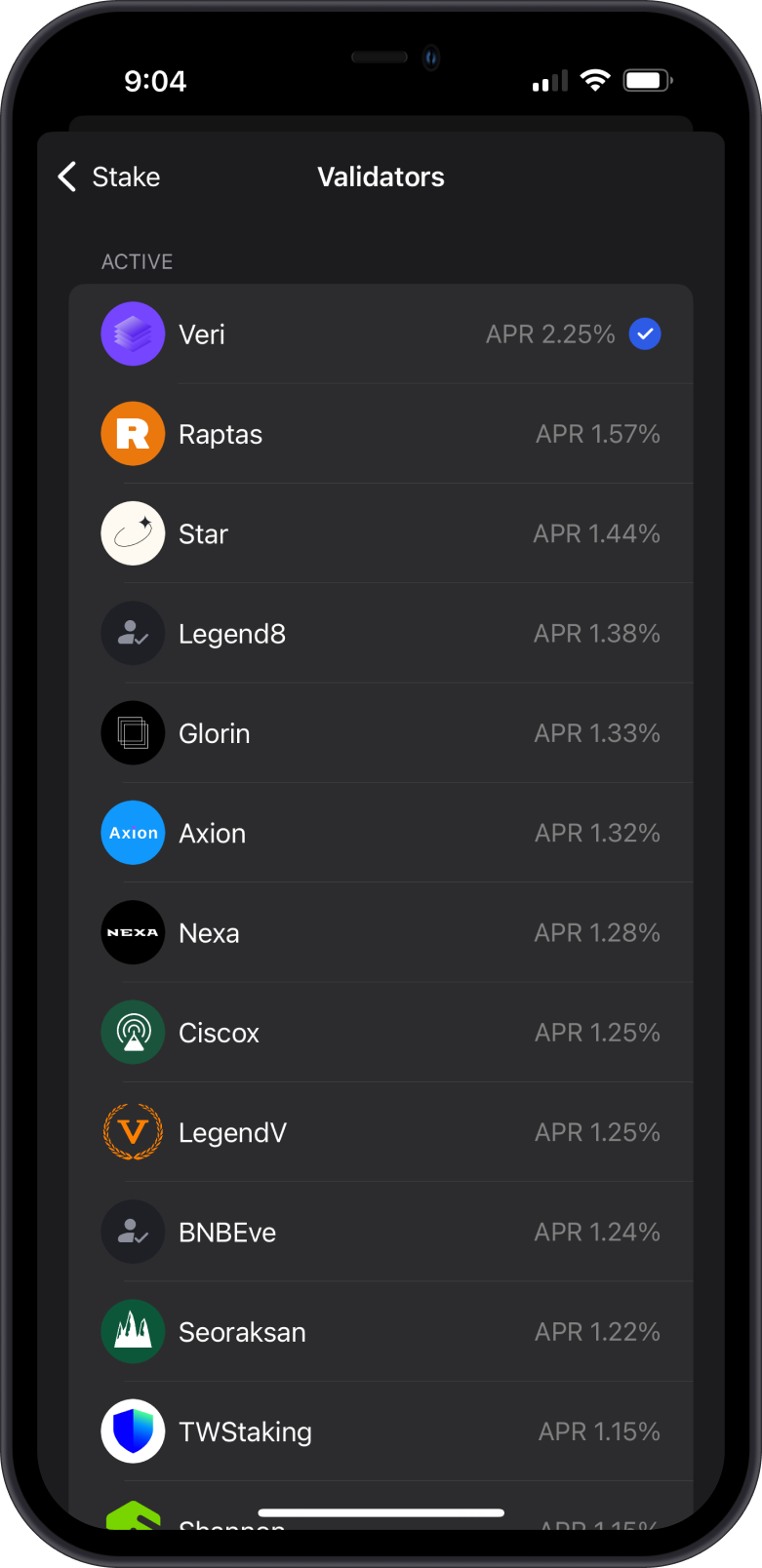
What is Staking APR?
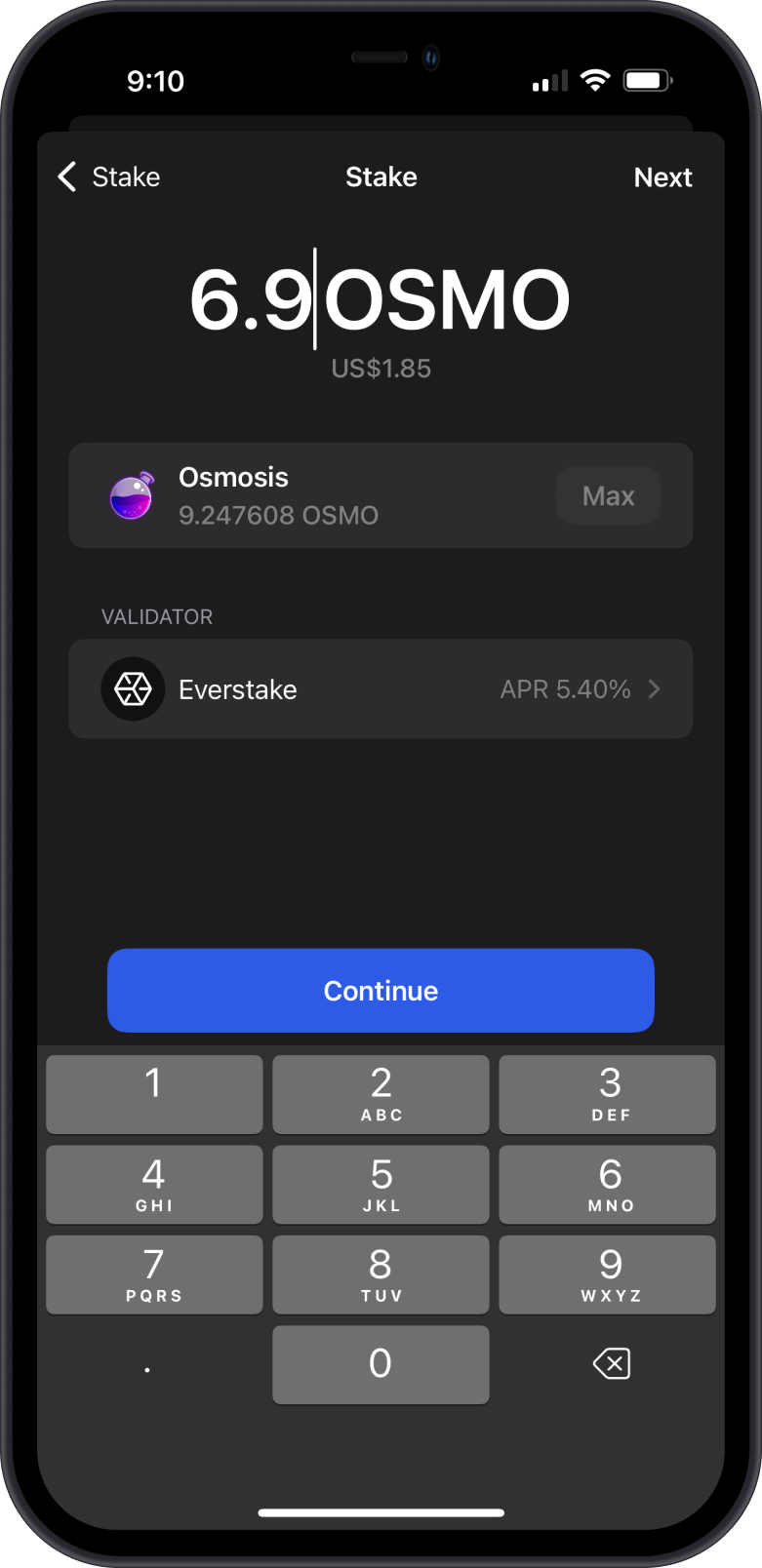
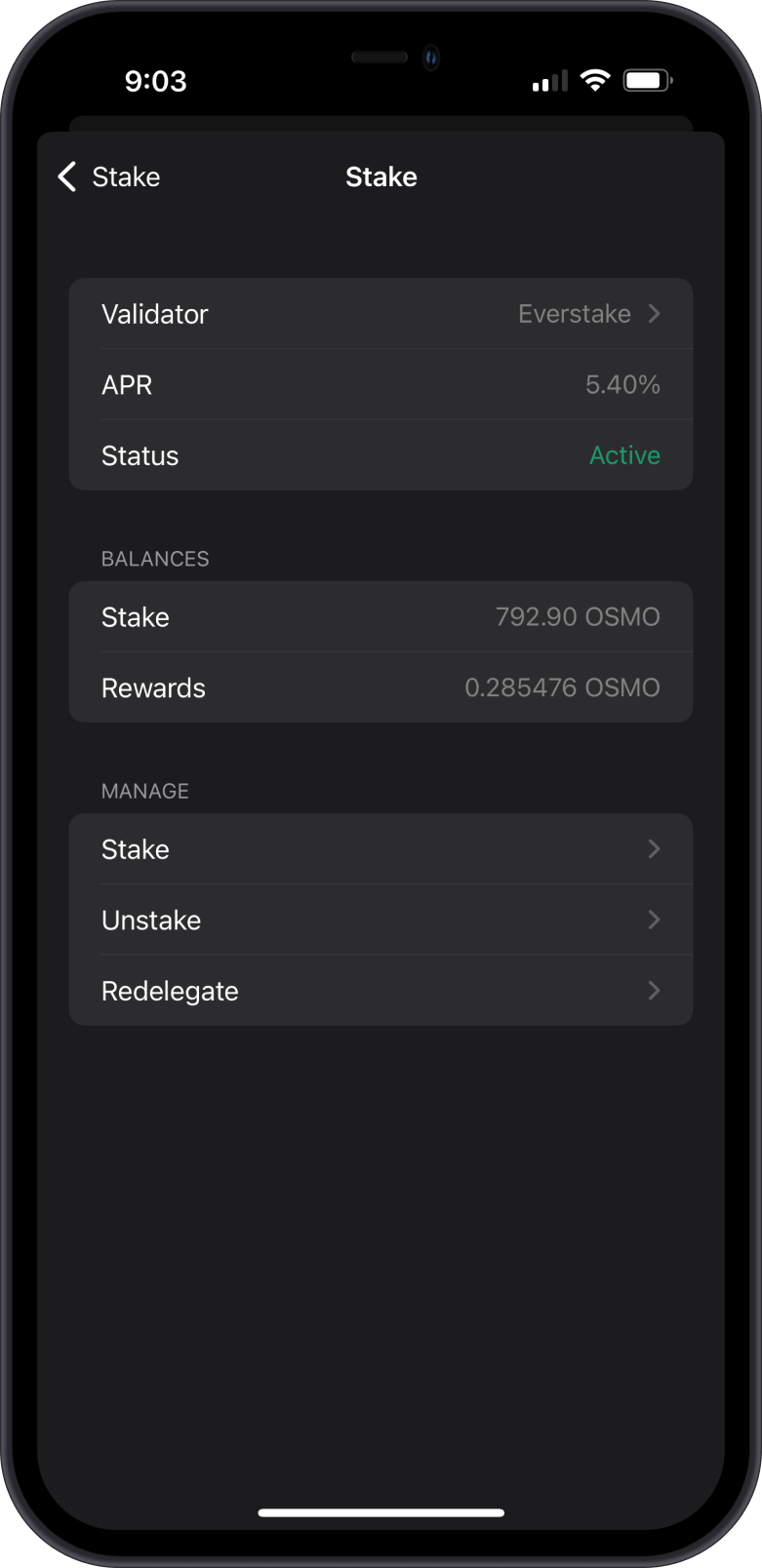
Staking APR (Annual Percentage Rate) is an annualized estimate of staking rewards before compounding. It is not a guaranteed return.
How is Staking APR Calculated?
Staking APR is determined by several factors, including:
- Network Reward Rates – Each blockchain sets its own staking reward rates based on token supply and demand.
- Total Staked Amount – The more tokens staked in the network, the lower the individual APR, as rewards are distributed among all participants.
- Inflation & Protocol Rules – Some blockchains adjust staking rewards dynamically based on network participation.
How Does Staking APR Differ from APY?
- APR (Annual Percentage Rate) only considers simple interest, meaning rewards are not automatically reinvested.
- APY (Annual Percentage Yield) includes compound interest, meaning rewards are staked back into the pool, increasing overall returns.
Why Does Staking APR Change?
Staking APR is not fixed and can fluctuate due to:
- Changes in Network Participation – More stakers mean lower rewards per participant.
- Transaction Fees & Rewards – Some blockchains include transaction fees in staking rewards, affecting APR.
- Governance Decisions – Certain networks allow token holders to vote on staking reward adjustments.
What Should I Consider Before Staking?
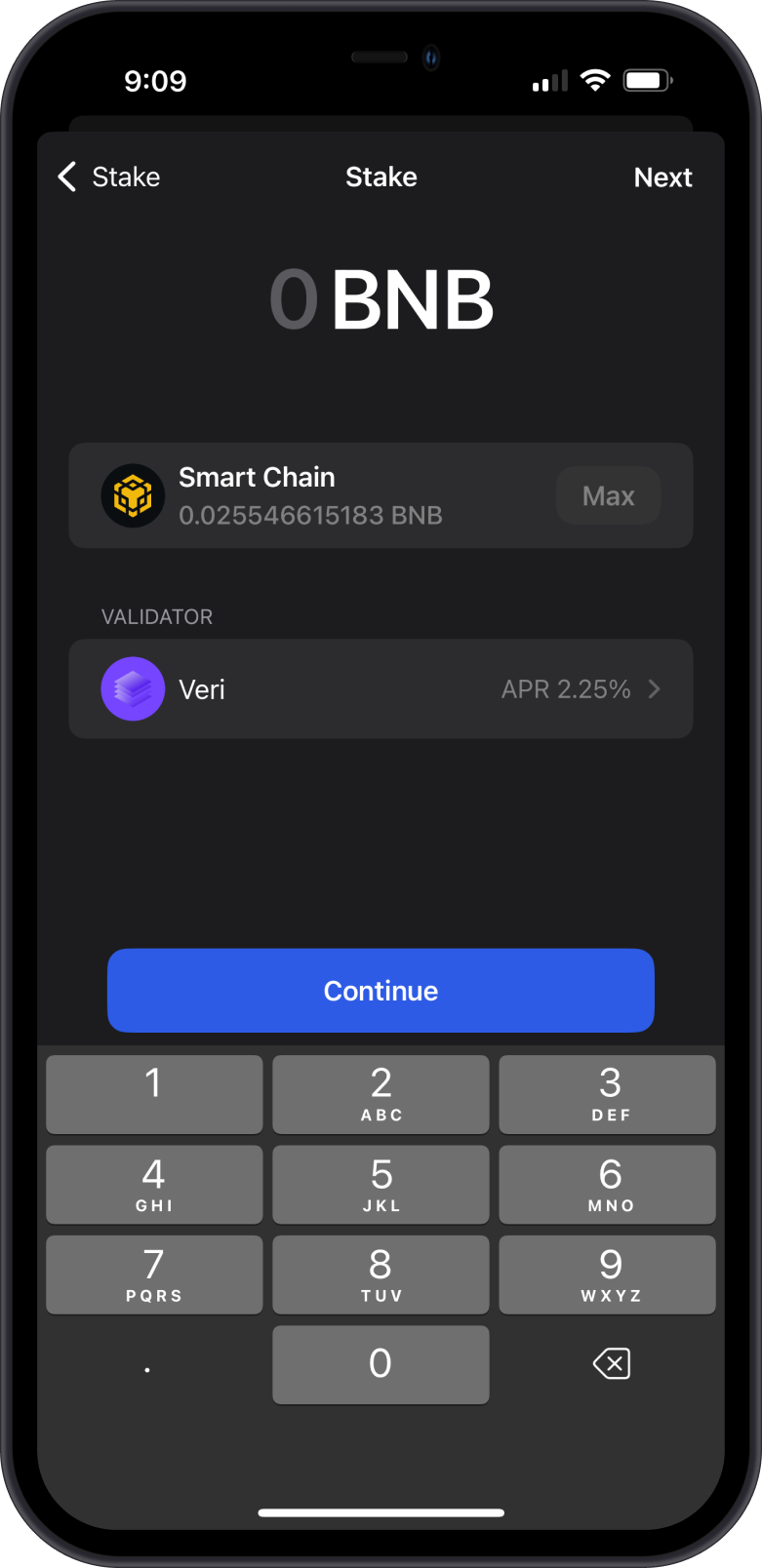
- Validator commission and status – A displayed APR should be considered alongside commission, performance, and slashing risk.
- Reward handling – Some networks compound or distribute rewards automatically; others provide a claim action when supported by Gem Wallet.
- Staking conditions – Activation time, unbonding periods, minimum amounts, and network fees affect access to funds and net rewards.